Official nominee source text
This profile was extracted from the nominee publication. Verify the official nominee materials before making voting decisions.
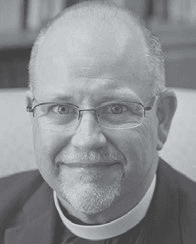
- Section
- Concordia Theological Seminary, Fort Wayne Board of Regents
- Office/position
- Concordia Theological Seminary, Fort Wayne Board of Regents
- Candidate category
- layperson
- Source page
- p. 61
- Election line
- Elect 2 ministers of religion—ordained, 1 minister of religion—
Formatted from official nominee source text for readability.
Basic Details
- Seminary
- education is vital for equipping future pastors and deaconesses with deep biblical and theological knowledge and the practical skills necessary for effective service to the church. The
- Seminary
- provides a structured environment for spiritual formation, academic discipline, and communal accountability, fostering maturity and resilience in ministry. Working with the president, the board helps to ensure faithful, well-grounded proclamation of the Gospel. The seminary is equipped to deliver theological education by multiple platforms. These platforms include residential, SMP ,
- Seminary
- Boards of Regents Elect 2 ministers of religion—ordained, 1 minister of religion— commissioned, 1 layperson (6-year term)
Duties
T wo-day meetings four times a year. The board’s duties include the defining and fulfilling of the mission of the seminary, operating and managing it as an agent of the Synod, serving as its governing body, establishing and reviewing policies, promoting public relations, approving budgets, and in every way promoting the well-being of the seminary. (2023 Handbook, pp. 158–71)
Qualifications
A seminary board of regents is responsible for the spiritual, academic, and financial health of the institution. It makes decisions regarding the resources and strategic vision that are needed to provide Christian pastors (and deaconesses) for the church and the world. It oversees the work of the president and creates appropriate policies to guide administrative activities. A board of regents is responsible for the educational program of its institution.
Its members must assure themselves that the work of the institution is carried on effectively and managed in a business-like manner within an annually established budget. They are also responsible for the general welfare of faculty, staff, and students. Board members should be acquainted with current trends in education and should have a strong commitment to Christian education at all levels, with special interest in the objectives of preparing church workers. It is desirable to have had experience on a governing board of an elementary or secondary school, or on the board of regents or faculty of a college or university. Experience in finance, personnel, general corporate administration, corporate planning, or facility management is always helpful. The time requirements for meetings vary with the institution. Committee work and other commitments may be requested between meetings. Regents may expect to be asked to support the institution financially as part of their personal stewardship commitments.
Restrictions
No more than two elective members of a college, university, or seminary board of regents may be members of the same congregation (Bylaw 3.10.5.2 [1]).
a. Concordia Theological Seminary (Fort
Wayne, Ind.) Board of Regents Elect 2 ministers of religion—ordained, 1 minister of religion— commissioned, 1 layperson (6-year term)
MINISTERS OF RELIGION—ORDAINED
Elect 2 ministers of religion—ordained (6-year term)
Additional official source text
Jeffrey Eric Skopak, Asheville, NC;
Emmanuel, Asheville NC (SE); LCMS 59; Sr./Admin. Pastor 34. S:
Synodical Reconciler 8, PALS Fac. 5, Consecrated Stewards Fac. 5. D: CV AT 2, Fac. for Church Revitalization SELC 7, Fac. Your Congregation’s Future 6, CV SELC 3, CV PSW 2. C:
Pastor. O: Vice-Chm. Open Door Pregnancy Ctr. 6, Vice-Chm. Hands of Hope Pregnancy Ctrs. 6, Guest Lecturer CSL, Visiting Prof. ILC 7, Podcast Christ, Culture, and Cinema 5, Author CPH: Christ, Culture, and Cinema: How Faith and Film Intersect, Essayist Free Evangelical Luth. Synod in South Africa.
XIV. Report on Candidates for